Anti-racist practice, part 3: True partnerships with parents
Building partnerships with parents requires genuine engagement and understanding. By Dr. Stella Louis and Hannah Betteridge
Read SummaryAutomatically curated from DfE announcements, education news, and sector updates.
Building partnerships with parents requires genuine engagement and understanding. By Dr. Stella Louis and Hannah Betteridge
Read Summary
Encouraging children to take responsibility for everyday tasks is fundamental to building confidence and essential life skills. This approach, central to effective Early Help provision, supports school readiness and long-term resilience whilst strengthening family relationships.
Read Summary
Schools have faced blackmail attempts by criminals using AI-doctored images of pupils, prompting serious concerns about digital safeguarding. Early years settings are now urgently reviewing photography policies and consent procedures to protect children from image-based exploitation and strengthen preventative measures.
Read SummaryBuilding partnerships with parents requires genuine engagement and understanding. By Dr. Stella Louis and Hannah Betteridge
Read SummaryEncouraging children to take responsibility for everyday tasks is fundamental to building confidence and essential life skills. This approach, central to effective Early Help provision, supports school readiness and long-term resilience whilst strengthening family relationships.
Read SummarySchools have faced blackmail attempts by criminals using AI-doctored images of pupils, prompting serious concerns about digital safeguarding. Early years settings are now urgently reviewing photography policies and consent procedures to protect children from image-based exploitation and strengthen preventative measures.
Read Summary
After schools were blackmailed by criminals using AI-doctored images, some early years settings are updating their policies
A Merseyside local authority is reversing the UK's rising youth unemployment trend through personalised early intervention programmes targeting under-16s at risk of becoming NEET. By identifying vulnerable pupils before they leave compulsory education and providing tailored support, the council is successfully preventing disengagement and keeping young people connected to positive futures.
A government evaluation of the £270m Multiply programme has found that while the scheme successfully reduced numeracy anxiety among adult learners, it was unable to measure whether participants actually improved their maths skills. The findings raise questions about the Department for Education's ability to demonstrate value for money in its adult skills initiatives.
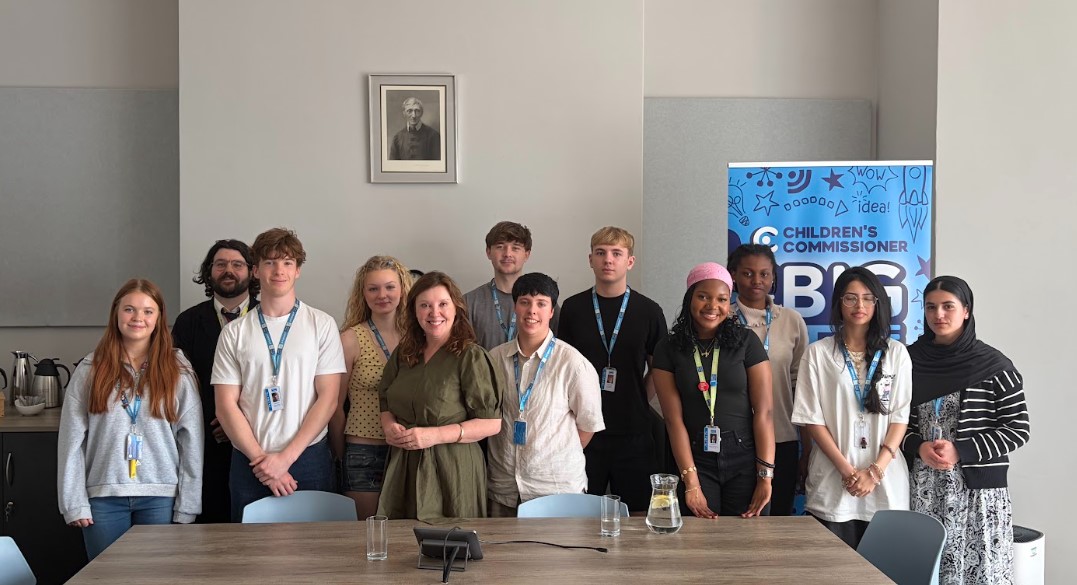
The Children's Commissioner for England visited Cardinal Newman College in Preston to speak with year 13 students as part of 'The Big Future' initiative. The visit focused on gathering young people's views on their future aspirations and concerns through a dedicated survey.
Ministers are prioritising efforts to reduce the number of young people who are Not in Education, Employment or Training (NEET). The concerning trend highlights systemic barriers preventing smooth transitions from education to employment.
The Children's Commissioner for England is seeking 16 to 18-year-olds to join a new Youth Advisory Board that will shape how artificial intelligence is used in schools. The initiative invites young people to share their experiences of AI and advise the Department for Education on safe, effective implementation.
Former Prime Minister Rishi Sunak has called for improved financial literacy education, but his proposed solution of compulsory mathematics to age 18 may miss the mark. Commentator Simon Jenkins argues that preparing young people for adult life requires practical knowledge of taxes, pensions, and mental health, not just numeracy. The debate comes amid rising concerns about youth employment, with recent reports highlighting that one million 16 to 24-year-olds are currently not in education, employment or training.
Since introducing an immersive learning environment that replicates the noise of a nursery, students at one college are now more prepared for the workplace
A London setting has converted a woodland area into a Forest School, creating an innovative outdoor learning environment that enhances children's wellbeing whilst teaching vital life skills. This approach demonstrates how reconnecting children with nature can support holistic development and resilience beyond traditional classroom settings.
Imogen Edmunds, managing director of Redwing Solutions, examines whether nursery leaders are adequately prepared for new requirements regarding trade union access to early years settings. The article explores the practical implications for workplace relations and what leaders need to know about their statutory obligations.
How the principles behind Loris Malaguzzi's Reggio Emilia approach put children at the heart of their own learning, and the philosophy's impact on our practice. By Annette Rawstrone
Queen's Award-winning Registered Nurse Charmaine Champ explains how early years settings can support neurodivergent children by embedding consistency, routine and predictability. These structured approaches create essential stability that helps young learners with additional needs to thrive.